Weekly Data


WHAT THE DATA SAY: 35% are considering a solo trip in the future
By: Ray Day
CONTACT:
We wanted to share our latest consumer and business insights, based on research from Stagwell and Allison Worldwide. Among the highlights of our weekly consumer sentiment tracking:
TRAVELERS ARE GOING SOLO THIS SUMMER
As summer vacation season ramps up, expect to see more of us flying and traveling solo, based on our Harris Poll research with Mastercard.
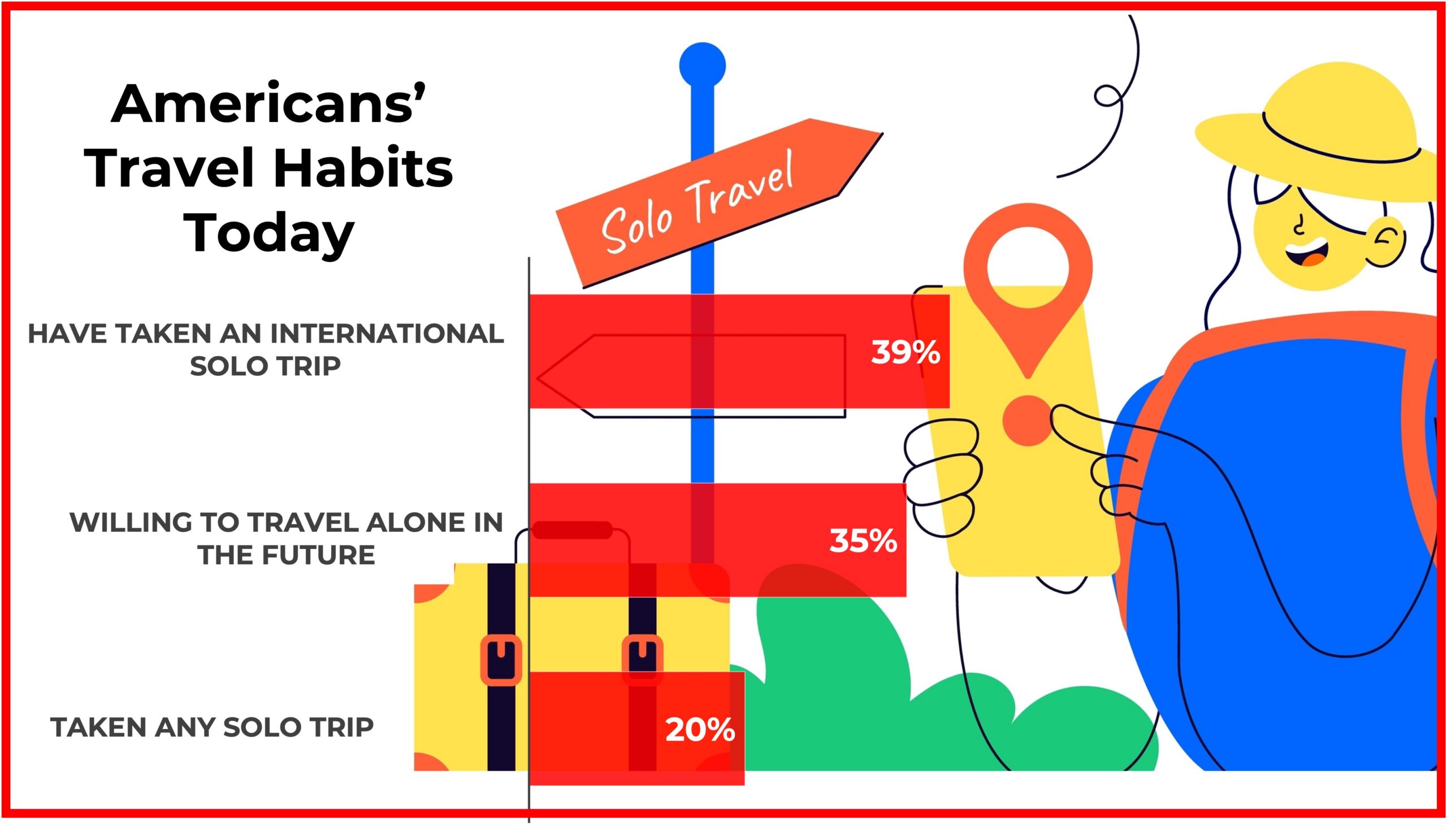
- 39% of international travelers already have flown solo on a trip.
- 20% of all travelers say their last trip was alone.
- 35% say they are considering a solo trip in the future.
- January 2026 had 1.6 million online searches for “solo travel” – jumping 230% during the last decade.
- Going solo doesn’t mean going alone: 7 in 10 international leisure travelers are interested in solo experiences designed to connect them with like-minded people.
- Solo travelers also skew more adventurous: 84% express interest in off-the-beaten-path or emerging destinations, compared with 78% of those traveling with others.
- THE NEW BUSINESS TRIP: 81% of business travelers have extended an international business trip for non-work purposes.
- GEN ALPHA CALLS THE SHOTS: 76% of parents of Gen Alpha kids (children born between 2010 and 2024) say their children have significant input on international destination choices, compared with 59% of parents of other generations.
TRAVELERS WANT ONE-STOP BOOKING
Global travelers increasingly want to plan more of their trips in one place, driven by both convenience and savings, based on a new Harris Poll survey with Expedia Group.
- 77% of travelers say they are at least somewhat likely to book more than one part of their next trip on the same platform.
- Younger travelers are especially aligned with this, with 83% of Gen Z travelers likely to book multiple trip elements on one platform.
- Cost is a major driver: 81% would be at least somewhat likely to bundle trip elements if it meant additional savings.
- Travel demand is becoming more experiential: 55% saying authentic, immersive travel is more important today than it was five years ago.
- 69% say having a rental car helps them experience destinations like a local.
ECONOMIC ANXIETY RISES
Americans are growing more worried about inflation, their own finances and the long-term impact of global instability on everyday costs, according to our May Harvard CAPS/Harris Poll.
- 56% say the country is on the wrong track, up from 53% the prior month.
- 59% say the economy is on the wrong track, up from 57% the prior month.
- 47% say their personal financial situation is worsening, up 5 points from the prior month.
- Inflation and the economy remain Americans’ top concerns, while concerns about the national debt and federal budget deficits rose 4 points.
- Price hikes are highly visible: 88% have noticed an increase in the price of gasoline, and 85% have noticed grocery and food prices rising.
- 53% say war and geopolitical conflicts are the biggest reason for higher gas prices.
PRIMARY CARE IS VALUED YET OUT OF REACH
Americans overwhelmingly believe in the importance of having a primary care doctor, even as many struggle to access one when they need care, according to new research from The Harris Poll and HealthDay.
- 89% of Americans say it is important to have an ongoing relationship with a primary care doctor who oversees their medical care.
- 84% say they have a primary care doctor, yet 58% report being unable to access care when needed because of appointment shortages or long wait times.
- Among the 15% of Americans without a family doctor, 45% say they have experienced direct negative health impacts. Specifically, 15% were unable to get a diagnosis, and 14% ended up in the ER due to an untreated illness or injury.
- For those without a family doctor, urgent care (40%) is the top fallback when medical help is needed, followed by the ER (26%).
- Family doctors remain the most trusted first stop for medical questions, with 28% saying they turn there first, ahead of internet search engines (21%) and friends/family (14%).
- Access barriers remain significant: 38% say it’s hard to find a doctor they like, 36% say doctors aren’t taking new patients, 36% say insurance won’t cover the doctor they want, and 25% say there simply aren’t enough primary care providers.
ICYMI: In case you missed it, check out the thought-leadership and happenings around Stagwell making news:
- Most Dogs Aren’t Getting Enough Walks (Harris Poll)
- Consumers Can See Through Your AI Marketing Slop (Harris Poll)
- Teams, not players, still drive engagement engines in sports (National Research Group)
- Nearly half of Americans with auto insurance and homeowners insurance are stressed about their premium costs (Harris Poll)
- Three Quarters of Americans Want ‘On/Off’ Switch for AI Surveillance (Harris Poll)
- Join Anthropic and Google DeepMind for PRSA’s next AI Pulse webinar (Ray Day and PRSA)
Newsletter
Sign Up

Related
Articles
In the News
May 29, 2026
Stagwell’s (STGW) Chief People Officer Stephanie Howley Named to The Wall Street Journal Leadership Institute’s CPO Council
Weekly Data
May 28, 2026
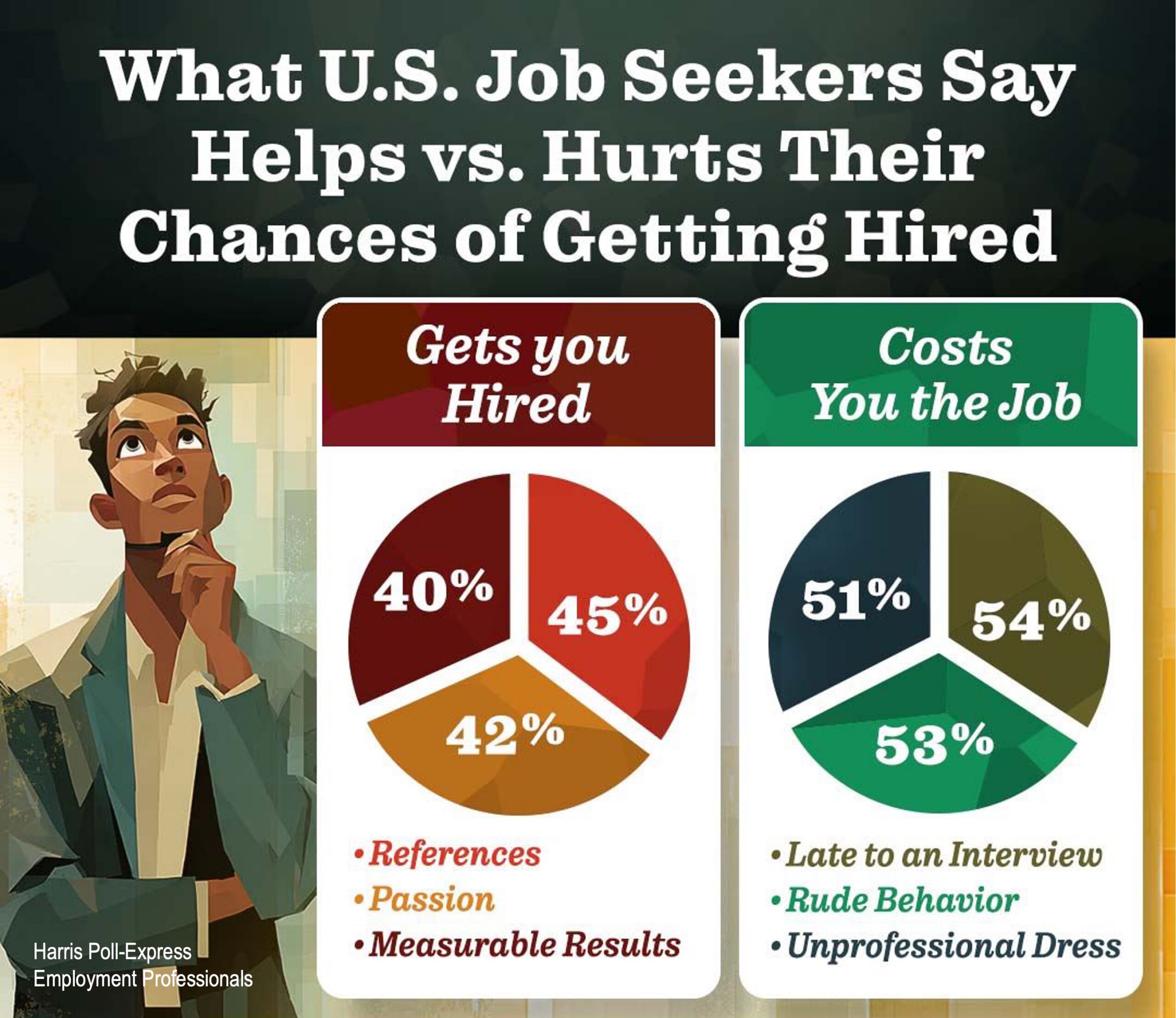
WHAT THE DATA SAY: Being late (54%), rude (53%) or dressing wrong (51%) kills job interviews
Candidates point to references as the leading job-interview advantage, while…